

Published On 22 Mar, 2026
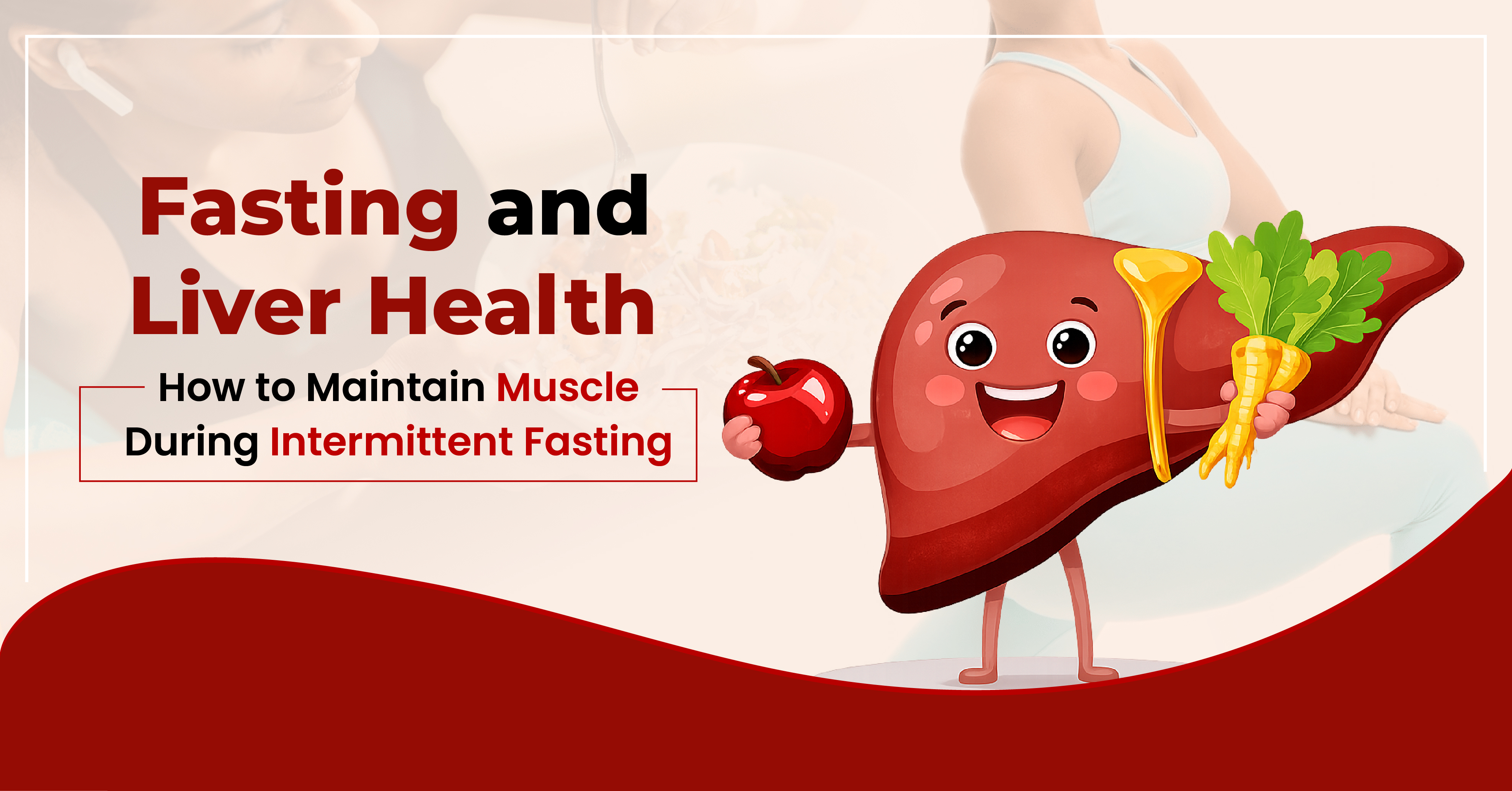
Intermittent fasting can benefit liver health and metabolic function, but without proper nutrition it may increase the risk of muscle loss. To maintain muscle during fasting, focus on adequate protein intake, balanced nutrition, and liver-friendly eating patterns that support both metabolic health and physical strength.
This article explains how intermittent fasting works, how it affects the liver and muscle, and practical tips to preserve muscle while fasting.
Intermittent fasting — cycling between periods of eating and abstaining from food — has grown in popularity for metabolic health, weight management, and potential benefits to liver function. Research suggests that controlled fasting may improve insulin sensitivity and reduce fat accumulation in the liver.
However, prolonged fasting or poorly planned fasting routines can inadvertently contribute to muscle loss, especially when protein and energy intake are inadequate. Balancing the benefits of fasting with strategies to preserve muscle and support liver health is essential for long-term wellbeing.
This guide covers evidence-based nutrition approaches that help maintain muscle mass during intermittent fasting while promoting liver health and metabolic balance.
Intermittent fasting (IF) involves scheduled periods of fasting followed by eating windows. Common patterns include:
Fasting influences metabolism by shifting energy use from glucose to stored fats and by affecting hormones such as insulin and growth hormone.
The liver plays a central role in:
During fasting:
These changes can benefit liver health when fasting is practised safely and with adequate hydration and nutrient intake.
Muscle loss can occur when:
Without sufficient protein and nutrition, the body may use muscle protein as an energy source during prolonged fasting, increasing the risk of sarcopenia.
Adequate protein is essential to preserve muscle during fasting periods. Aim for high-quality proteins such as:
Protein timing matters: within your eating window, distribute protein evenly across meals to maximise muscle protein synthesis.
Strength training signals the body to maintain and build muscle. Even short sessions of resistance exercises during fasting periods help preserve lean mass.
Ensure your eating window provides sufficient calories. Undereating can blunt muscle preservation and reduce metabolic rate, undermining fasting benefits.
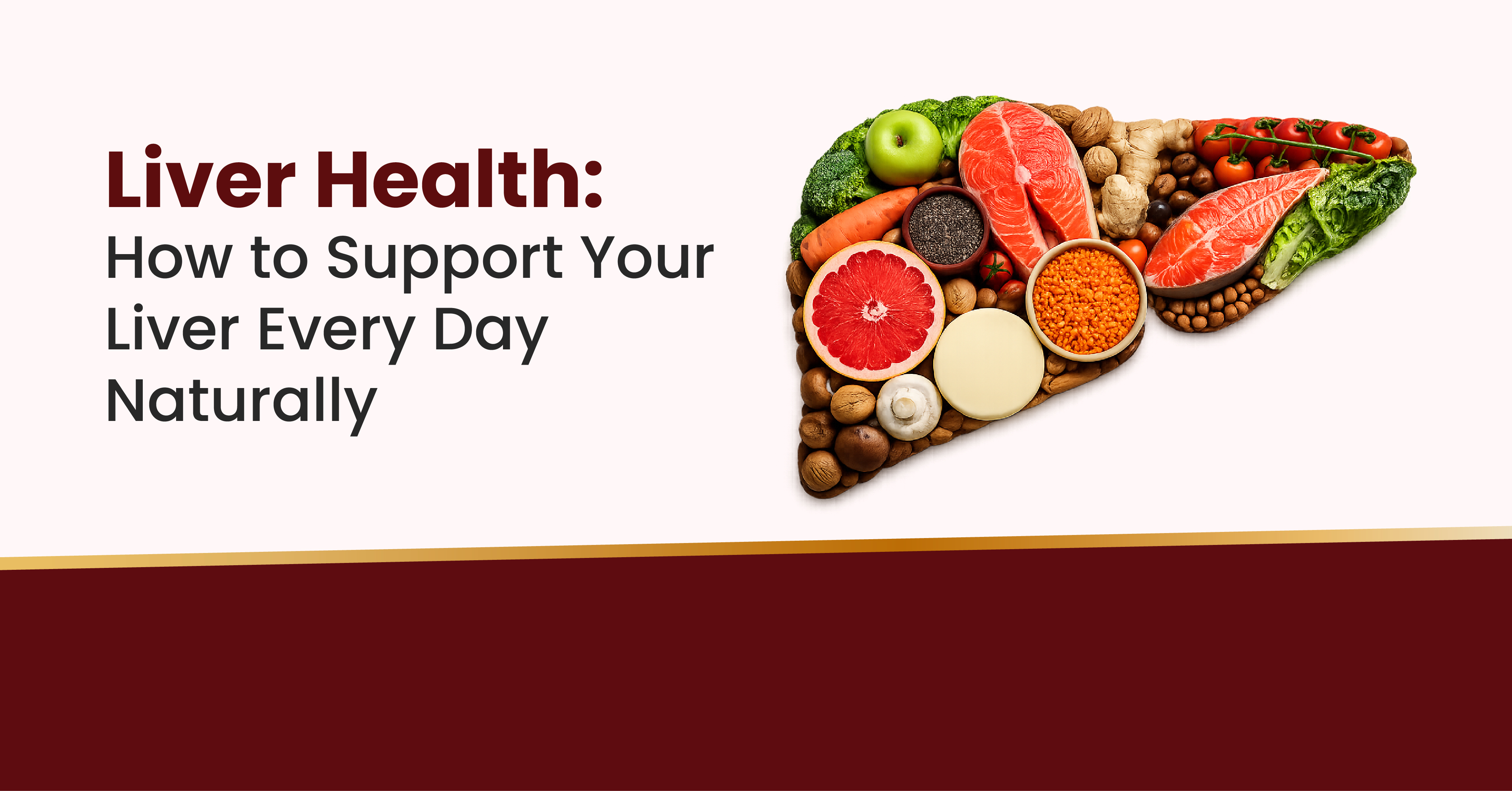
Foods that support liver health and overall recovery include:
These foods supply nutrients without placing undue stress on liver metabolism.
Hydration aids digestion, liver function, and metabolic balance. Water, herbal teas, and electrolytes (if advised) help maintain energy levels.
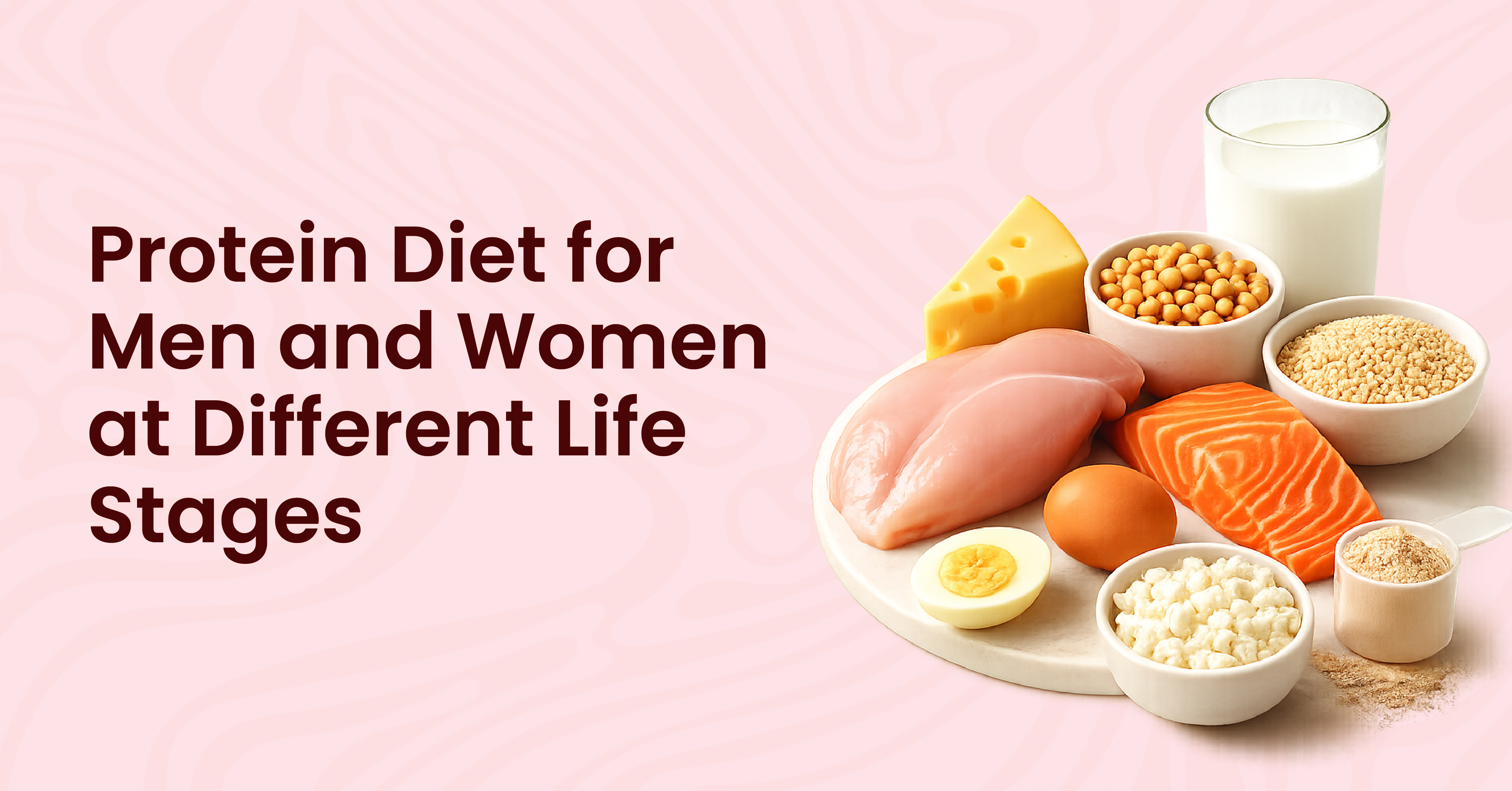
Protein needs vary by age, sex, activity level, and goals, but a general aim during intermittent fasting is:
Plant-based and animal protein sources both support muscle health. Plant-based proteins like legumes, lentils, and soy products are well tolerated and provide additional fibre that benefits liver and gut health.
Below is a conceptual diet framework for fasting with muscle and liver health in mind:
During Eating Window
Avoid or Limit
This balanced approach supports metabolic stability, muscle protein synthesis, and liver recovery.
When practised safely with balanced nutrition, intermittent fasting can support liver metabolism and reduce fat accumulation.
Muscle loss is more likely when protein intake is inadequate and resistance exercise is absent — both of which can be addressed with intentional nutrition and exercise planning.
Aim for sufficient daily protein intake within your eating window — ideally spread across meals — to support muscle maintenance and metabolic demands.
Yes — when combined with balanced nutrition and adequate hydration, intermittent fasting can support metabolic function and liver health.
Yes — prioritise protein, resistance training, and balanced energy intake during eating windows.
Light resistance work is beneficial and can help preserve muscle mass.
Plant-based proteins are effective and often better tolerated, particularly for liver and digestive health.
Some supplements (especially protein supplements) can support muscle maintenance, ideally taken within the eating window.
Intermittent fasting offers potential benefits for liver health and metabolic regulation, but without thoughtful nutrition it can inadvertently increase the risk of muscle loss. To preserve muscle during fasting, it’s essential to prioritise adequate protein intake, balanced energy consumption, resistance training, and liver-friendly foods during eating windows.
ProNocte is a scientifically formulated plant-based protein supplement designed to support muscle health, metabolic balance, and nutritional adequacy, particularly in individuals experiencing age-related muscle loss, strength decline, or chronic conditions that place metabolic and liver demands on the body. Including high-quality plant protein such as that found in ProNocte aligns with modern nutritional strategies that help maintain muscle mass while supporting liver health and overall metabolic wellbeing during intermittent fasting.
This article is for educational purposes only and does not replace personalised medical advice. Dietary and fasting practices should be discussed with a qualified healthcare provider before adoption.


 Disclaimer
ProNocte is a health supplement and is not intended to diagnose, treat, cure, or prevent any disease.

Call Us
1800 103 4696Email Us
sales@heterohealthcare.comAddress
Sy No. 83/1, Plot No.16/A/1 & 16/A/2, 19th & 20th Floor Hetero Tower, Commerzone, Silpa Gram Craft Village, Madhapur, Hyderabad, Shaikpet, Telangana, India, 500081.Copyright © All Rights Reserved by Hetero Healthcare Limited