


Published On 15 Apr, 2026
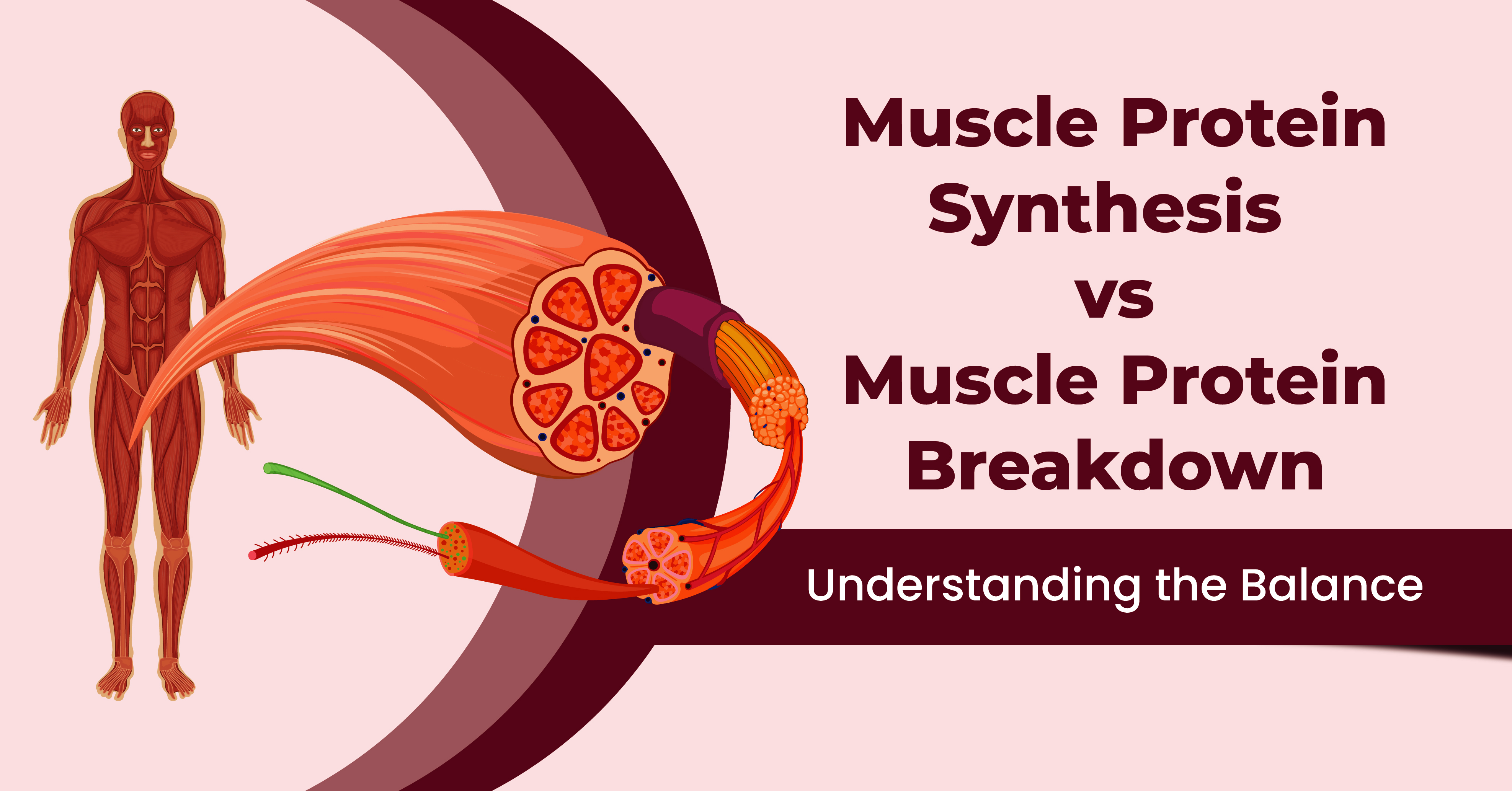
Muscle growth occurs when muscle protein synthesis (MPS) exceeds muscle protein breakdown (MPB). Muscle protein synthesis builds and repairs muscle fibres, while muscle protein breakdown removes damaged proteins. Strength training, adequate protein intake, and proper recovery help maintain a positive balance that supports muscle growth and prevents muscle loss.
Muscle protein synthesis is the process through which the body builds new muscle proteins to repair and strengthen muscle fibres. This process is particularly active after physical activity or resistance training.
When muscles are challenged during exercise, small microscopic tears occur in the muscle fibres. The body responds by repairing these fibres using amino acids obtained from dietary protein. As a result, muscles become stronger and more resilient.
Muscle protein synthesis is influenced by several factors, including:
Without sufficient protein and exercise stimulation, the body may struggle to build new muscle tissue effectively.
Muscle protein breakdown is the natural metabolic process where the body breaks down old or damaged muscle proteins into amino acids.
These amino acids are then reused for energy production or for building new proteins elsewhere in the body.
Although muscle protein breakdown may sound harmful, it is actually a normal and necessary biological process. It helps remove damaged proteins and keeps muscle tissue functioning properly.
However, when breakdown consistently exceeds synthesis, the result can be gradual muscle loss and reduced strength.
The balance between muscle protein synthesis and muscle protein breakdown determines whether muscles grow, remain stable, or decline.
Muscle Growth
Muscle growth occurs when the body builds more muscle proteins than it breaks down. This positive balance is often achieved through:
Over time, repeated cycles of exercise and recovery lead to increased muscle size and strength.
Muscle Loss
Muscle loss occurs when muscle protein breakdown exceeds synthesis for long periods.
Common causes include:
Preventing prolonged negative protein balance is essential for maintaining healthy muscle mass.
Protein provides the essential amino acids required for building and repairing muscle tissue.
After consuming protein-rich foods, the digestive system breaks protein into amino acids that enter the bloodstream. These amino acids are then used to repair muscle fibres damaged during exercise.
Certain amino acids, particularly branched-chain amino acids (BCAAs) such as leucine, play a crucial role in triggering muscle protein synthesis.
Including sufficient protein in daily meals supports muscle recovery, strength development, and long-term muscle health.
A well-balanced diet that includes high-quality protein sources helps support muscle development.
Animal-based protein sources
Plant-based protein sources
Nutrient-dense whole foods
Fruits, vegetables, whole grains, and healthy fats provide vitamins, minerals, and antioxidants that support muscle recovery and overall metabolic health.
Combining protein with complex carbohydrates can also help replenish energy stores after exercise.
Protein intake plays a central role in maintaining a positive muscle protein balance.
Research suggests that spreading protein intake evenly across meals may be beneficial for supporting muscle protein synthesis throughout the day.
For example:
This approach helps ensure that muscles receive a steady supply of amino acids for repair and growth.
Exercise is one of the most powerful triggers for muscle protein synthesis.
Resistance training stimulates muscle fibres and signals the body to repair and strengthen them.
Examples of strength training include:
When performed consistently, these exercises encourage the body to increase muscle protein synthesis and build stronger muscles.
Preventing excessive muscle breakdown is important for maintaining muscle health.
Several lifestyle habits can help support muscle preservation:
Maintain adequate protein intake
Consuming enough protein ensures the body has the amino acids required for muscle repair.
Stay physically active
Regular strength training stimulates muscle growth and prevents muscle atrophy.
Consume sufficient calories
Low calorie intake can cause the body to break down muscle tissue for energy.
Prioritise sleep and recovery
Muscle repair processes are highly active during sleep, making rest an essential part of muscle maintenance.
As people age, the body’s ability to stimulate muscle protein synthesis gradually declines. This process contributes to age-related muscle loss, known as sarcopenia.
Maintaining muscle mass with ageing requires a proactive approach that includes:
Supporting muscle health early can improve mobility, strength, and overall quality of life later in life.
Muscle protein synthesis is the biological process in which the body builds new muscle proteins to repair and strengthen muscle fibres.
Muscle protein breakdown occurs naturally but may increase due to inactivity, poor nutrition, ageing, or illness.
Strength training, adequate protein intake, proper recovery, and balanced nutrition can help stimulate muscle protein synthesis.
Yes. Regular exercise, sufficient protein intake, and healthy lifestyle habits can help prevent excessive muscle loss.
Protein provides the amino acids required to repair and build muscle tissue, making it essential for muscle growth and recovery.
Muscle growth and maintenance depend on the balance between muscle protein synthesis and muscle protein breakdown. When the body produces more muscle proteins than it breaks down, muscle mass and strength gradually increase. Achieving this balance requires consistent strength training, adequate nutrition, and sufficient protein intake.
In addition to balanced dietary habits, specialised nutritional support may help individuals maintain muscle health. ProNocte is a scientifically formulated plant-based protein supplement designed to support muscle preservation, strength, and overall nutritional balance. By providing high-quality protein and essential nutrients, it helps support muscle protein synthesis and contributes to maintaining healthy muscle function as part of a well-rounded lifestyle.





 Disclaimer
ProNocte is a health supplement and is not intended to diagnose, treat, cure, or prevent any disease.

Call Us
1800 103 4696Email Us
sales@heterohealthcare.comAddress
Sy No. 83/1, Plot No.16/A/1 & 16/A/2, 19th & 20th Floor Hetero Tower, Commerzone, Silpa Gram Craft Village, Madhapur, Hyderabad, Shaikpet, Telangana, India, 500081.Copyright © All Rights Reserved by Hetero Healthcare Limited