

Published On 15 Feb, 2026
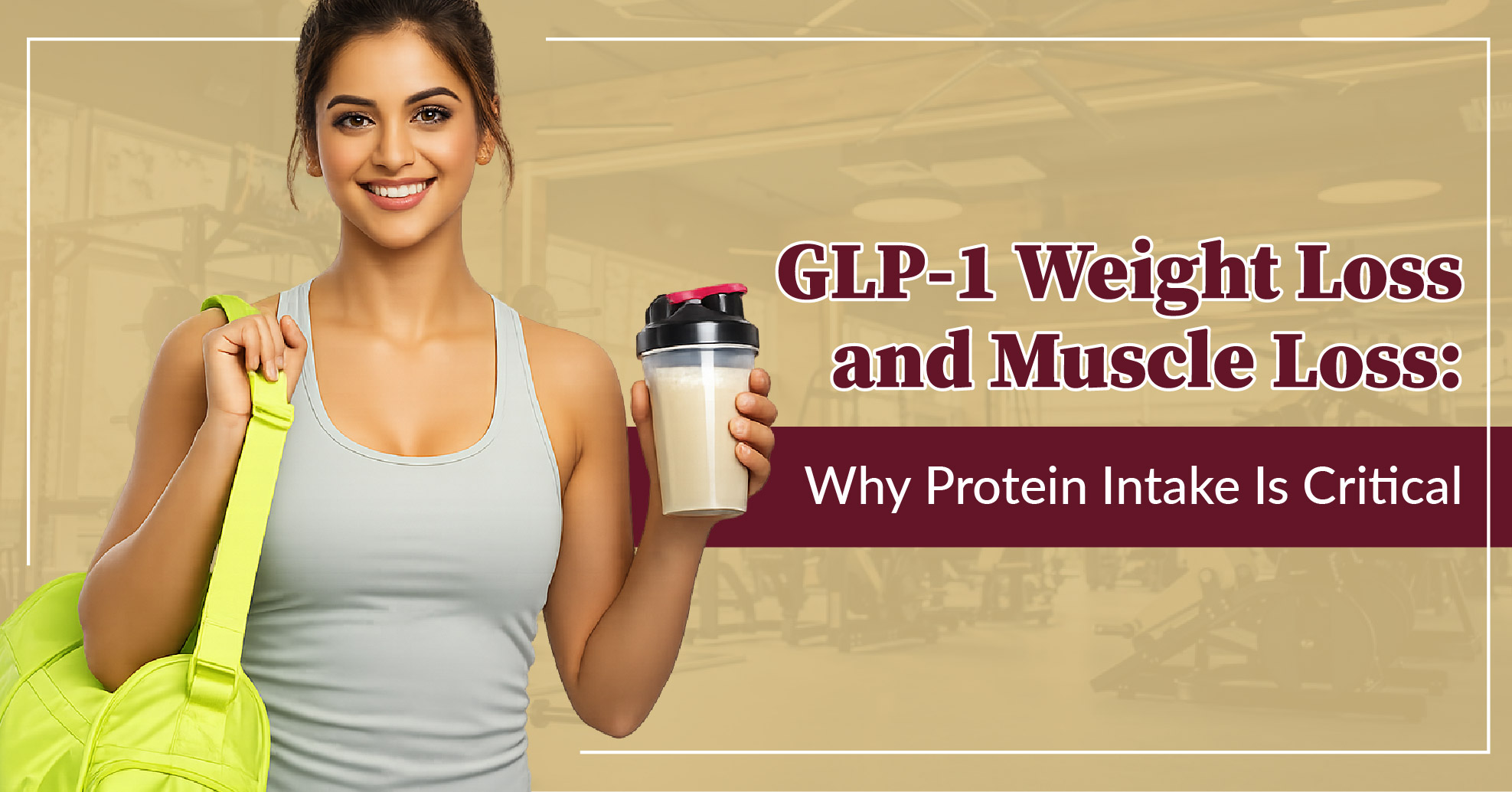
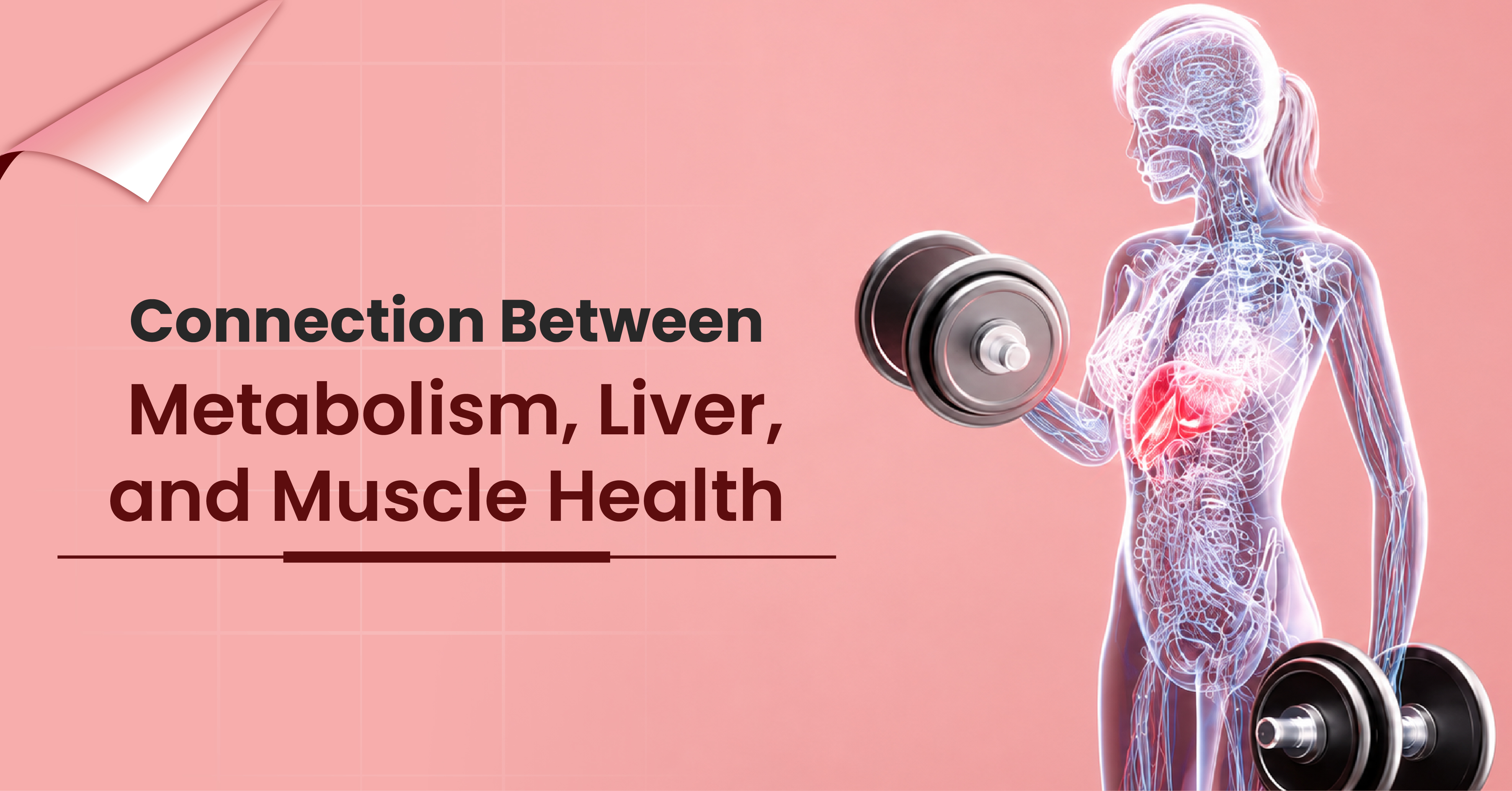
Glucagon-Like Peptide weight loss therapies have become an important tool in obesity and metabolic health management, but GLP-1 muscle loss is an increasingly recognised concern. While these therapies are effective in reducing body weight, preserving lean muscle mass is essential for metabolic health, physical strength, and long-term weight maintenance.
This article explains the relationship between Glucagon-Like Peptide weight loss, GLP-1 muscle loss, and protein intake during GLP-1, and outlines how nutritional strategies-including the appropriate use of protein powders such as ProNocte-may support muscle preservation during GLP-1 therapy.
Obesity and Body Composition
Obesity is a chronic condition that affects body composition, including fat mass and lean muscle mass. Effective weight management focuses on reducing excess fat while maintaining skeletal muscle, which plays a key role in metabolic health.
Muscle mass contributes to:
Loss of muscle during weight loss can negatively affect these functions.
Muscle loss during weight reduction may lead to:
This makes muscle preservation a critical consideration during GLP-1 weight loss.
Glucagon-Like Peptide-1 is an incretin hormone involved in appetite regulation, insulin secretion, and glucose metabolism. GLP-1-based therapies mimic this hormone to help reduce food intake and support Glucagon-Like Peptide weight loss.
Glucagon-Like Peptide weight loss occurs through:
While effective, these effects can unintentionally reduce intake of essential nutrients such as protein.
High-Level Mechanism of Action (Non-Clinical)
GLP-1 therapies do not directly break down muscle tissue. Instead, GLP-1 muscle loss may occur as an indirect effect of reduced calorie and protein intake.
Key contributing factors include:
Without sufficient protein intake during GLP-1, the body may use muscle tissue to meet its metabolic needs.
Protein is essential for muscle maintenance, repair, and function. During calorie restriction, protein intake during GLP-1 becomes even more important to prevent the loss of lean body mass.
Adequate protein intake during GLP-1 helps:
Because GLP-1 therapies reduce appetite, some individuals may struggle to consume enough protein from regular meals alone. This is particularly relevant for older adults or those following calorie-restricted diets.
When dietary protein intake is insufficient, clinically formulated protein powders may help support nutritional adequacy.
ProNocte protein powder is an example of a medical-grade protein supplement that can be incorporated into a structured nutrition plan to help meet daily protein requirements during GLP-1 weight loss.
Used appropriately and under healthcare professional guidance, protein powders can:
Protein powders should complement whole foods rather than replace balanced meals.
Safe and sustainable GLP-1 weight loss should include:
Protein supplementation should be individualised and medically supervised when necessary.
Yes. Muscle loss can occur if protein intake and physical activity are inadequate during weight loss.
Adequate protein intake helps reduce GLP-1 muscle loss, especially when combined with resistance-based exercise.
GLP-1 weight loss refers to body weight reduction achieved using therapies that mimic the Glucagon-Like Peptide-1 hormone to control appetite.
Reduced appetite may lead to insufficient protein intake, contributing to muscle loss if not addressed nutritionally.
Yes, protein powders may help individuals meet protein needs when appetite is reduced, provided they are used responsibly and with professional guidance.
Protein requirements vary by individual and should be determined by a healthcare professional.
When combined with appropriate nutrition and lifestyle support, GLP-1-based weight loss can be safe and sustainable.
Glucagon-Like Peptide weight loss has transformed obesity management, but protecting muscle mass is essential for long-term health and sustainable results. Prioritising adequate protein intake during GLP-1-through whole foods and, where appropriate, protein powders like ProNocte-can help preserve lean muscle mass and support metabolic health throughout the weight loss journey.


 Disclaimer
ProNocte is a health supplement and is not intended to diagnose, treat, cure, or prevent any disease.

Call Us
1800 103 4696Email Us
sales@heterohealthcare.comAddress
Sy No. 83/1, Plot No.16/A/1 & 16/A/2, 19th & 20th Floor Hetero Tower, Commerzone, Silpa Gram Craft Village, Madhapur, Hyderabad, Shaikpet, Telangana, India, 500081.Copyright © All Rights Reserved by Hetero Healthcare Limited