


Published On 20 Feb, 2026
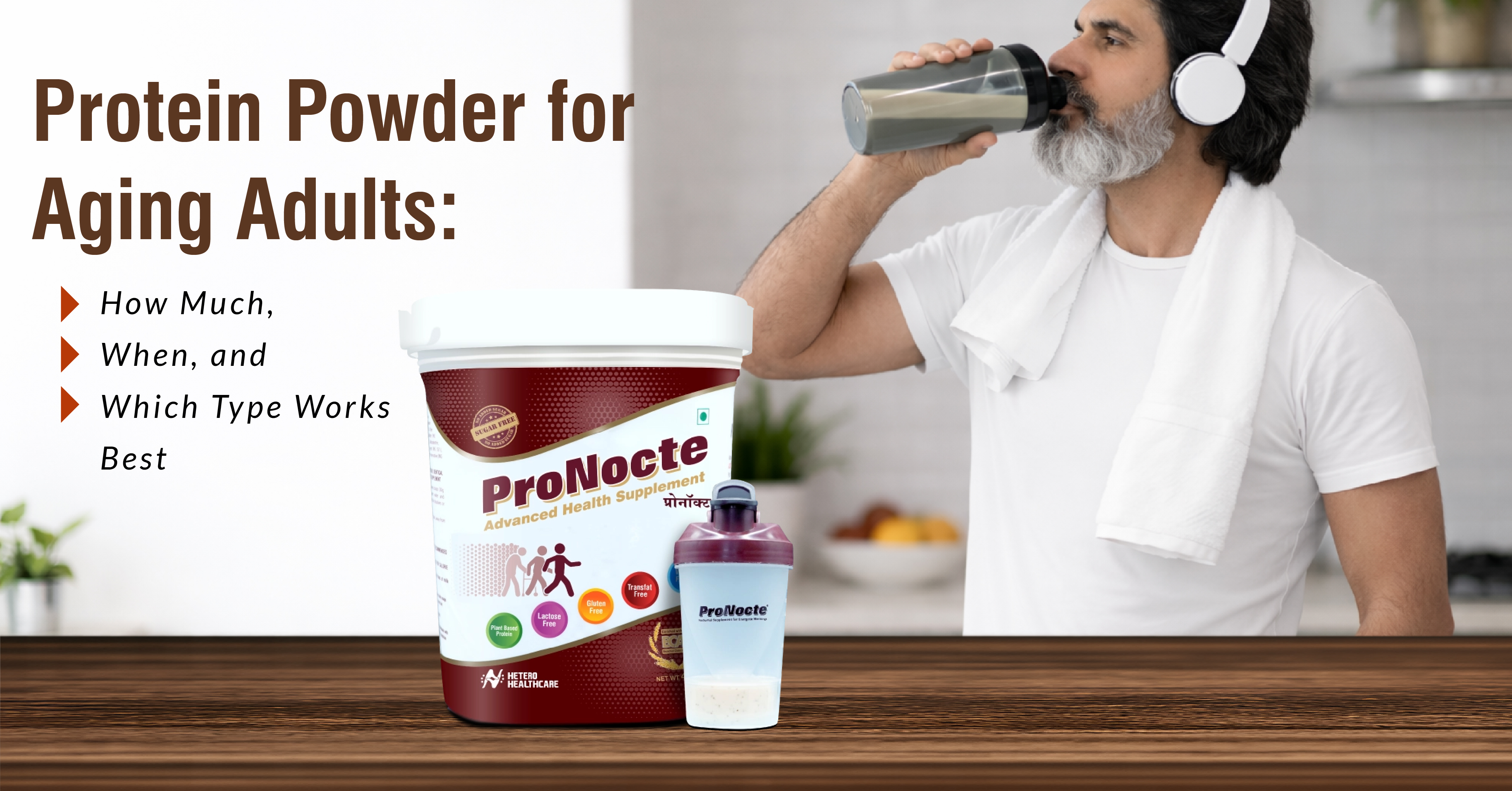
Ageing brings natural changes in muscle mass, strength, and metabolism. One of the most effective nutritional strategies to support healthy ageing is adequate protein intake for many older adults,meeting daily protein needs through food alone can be challenging-this is where protein powder for seniors may play a supportive role.
This article explains how much protein ageing adults need, when to take protein powder, and which protein types work best, using evidence-based, practical guidance.
As people age, the body becomes less efficient at building and maintaining muscle-a phenomenon known as anabolic resistance. This increases the risk of muscle loss, reduced mobility, fatigue, and falls.
Without sufficient protein intake, ageing adults are more vulnerable to sarcopenia, frailty, and slower recovery from illness.
How much protein for elderly individuals?
Current research suggests older adults require more protein than younger adults to maintain muscle mass.
1.0-1.2 g of protein per kg body weight per day
1.2-1.5 g/kg/day
Up to 1.6 g/kg/day under professional guidance
Protein intake should be spread evenly across meals rather than consumed in one large serving.
Timing matters when it comes to protein utilisation in ageing adults.
For older adults with low appetite, small, frequent protein servings are often more effective than large doses.
Choosing the right protein powder depends on digestion, tolerance, and health goals.
Protein powder is not a replacement for meals, but a nutritional support tool when dietary intake is insufficient.
Protein supplementation should always complement a balanced diet and healthy lifestyle.
Protein powder should supplement meals, not replace them. Whole foods provide fibre, vitamins, and minerals essential for overall health.
Yes, when consumed within recommended limits and tailored to individual health needs.
Adequate protein intake, combined with regular movement or resistance exercise, supports muscle strength and mobility.
Protein plays a critical role in healthy ageing, muscle maintenance, and functional independence. For many ageing adults, protein powder offers a practical way to meet increased nutritional needs without large meal volumes.
When used appropriately, Protein powder for seniors can support strength, recovery, and overall wellbeing-especially when combined with balanced nutrition and regular physical activity.
To explore science-backed nutrition solutions designed for ageing adults, visit ProNocte and learn more about supporting healthy ageing through targeted nutrition.


 Disclaimer
ProNocte is a health supplement and is not intended to diagnose, treat, cure, or prevent any disease.

Call Us
1800 103 4696Email Us
sales@heterohealthcare.comAddress
Sy No. 83/1, Plot No.16/A/1 & 16/A/2, 19th & 20th Floor Hetero Tower, Commerzone, Silpa Gram Craft Village, Madhapur, Hyderabad, Shaikpet, Telangana, India, 500081.Copyright © All Rights Reserved by Hetero Healthcare Limited