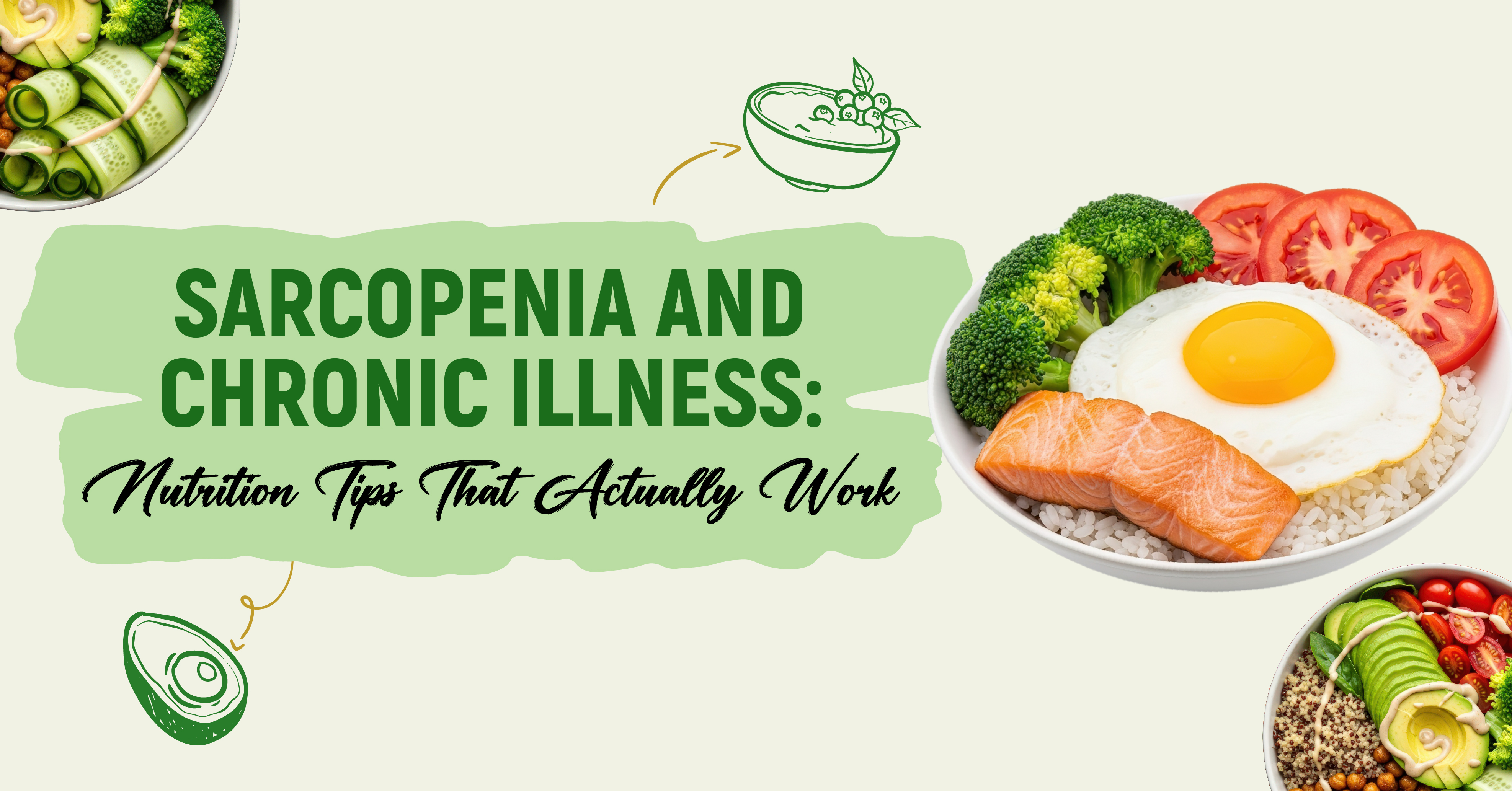
Sarcopenia and Chronic Illness: Nutrition Tips That Actually Work
Published On 05 Feb, 2026
Sarcopenia, the age-related loss of muscle mass and strength, is a common challenge for people with chronic illness. Proper nutrition can play a critical role in slowing muscle loss, improving strength, and supporting overall health.
This article provides practical sarcopenia nutrition tips, diet strategies for chronic illness, and foods that help prevent muscle loss, helping elderly patients maintain functional independence.
Understanding Sarcopenia and Its Impact on Chronic Illness
Sarcopenia involves gradual loss of skeletal muscle mass, which can worsen functional decline in elderly individuals and those with chronic diseases such as diabetes, kidney disease, or heart conditions.
Causes and Risk Factors
- Age-related decline in muscle protein synthesis
- Reduced physical activity due to illness or mobility limitations
- Inadequate dietary protein and essential nutrients
- Chronic inflammation from long-term illness
- Hormonal changes (e.g., low testosterone, estrogen)
Symptoms and Consequences
- Decreased muscle strength and endurance
- Difficulty performing daily activities
- Increased risk of falls and fractures
- Slower recovery from illness or surgery
- Fatigue and loss of independence
Nutrition Overview for Sarcopenia and Chronic Illness
Nutrition plays a key role in preventing and managing sarcopenia, especially when combined with appropriate physical activity.
Key Nutritional Goals
- Adequate high-quality protein intake
- Anti-inflammatory foods to reduce chronic illness effects
- Sufficient vitamins and minerals, including vitamin D, calcium, and magnesium
- Maintaining healthy energy intake to prevent weight loss
Sarcopenia Nutrition Tips That Work
High-Protein Foods
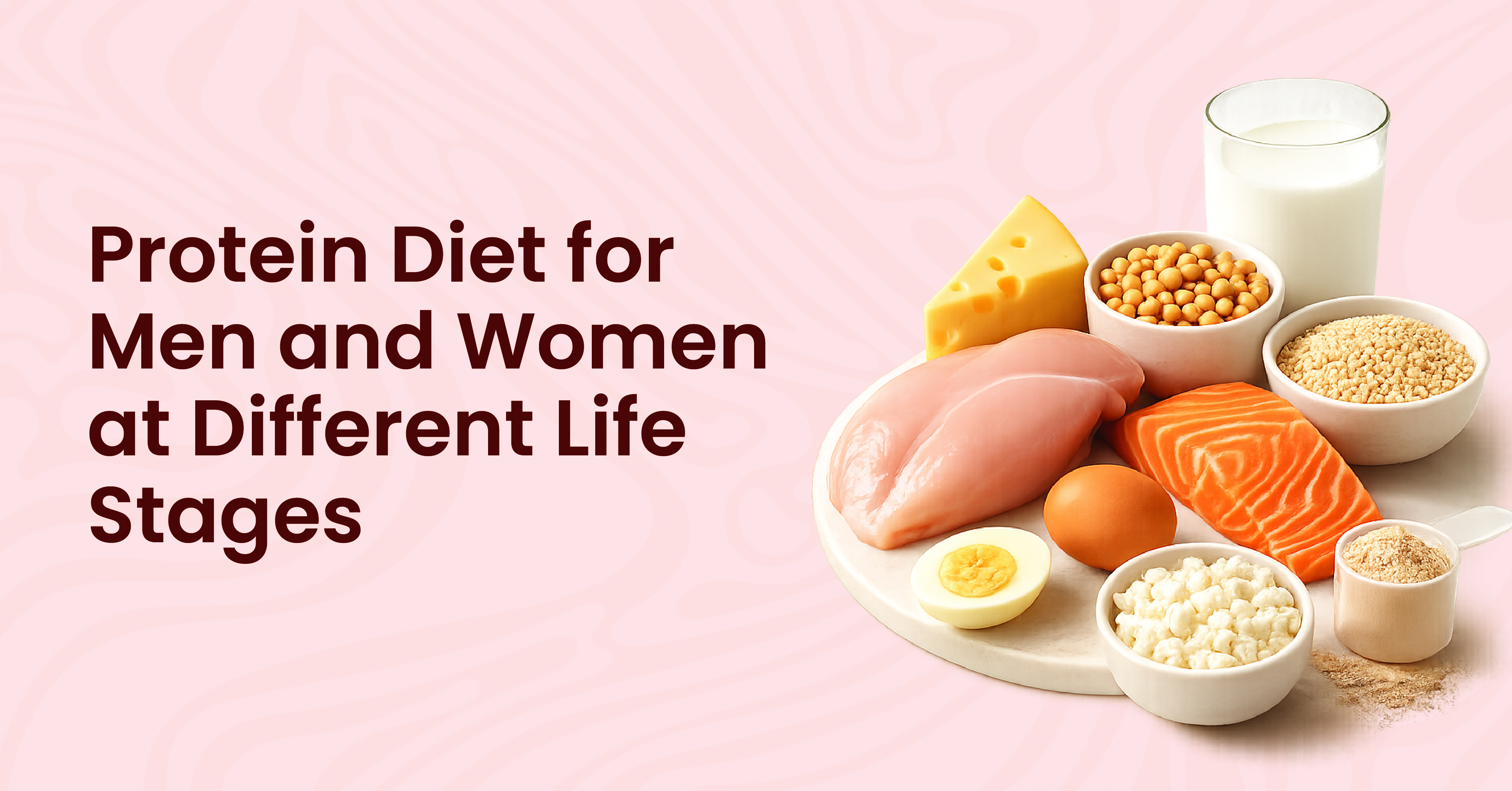
- Eggs, lean meat, poultry, and fish
- Dairy products like Greek yoghurt and cottage cheese
- Plant-based options: lentils, chickpeas, tofu, and soy products
Tip: Spread protein intake evenly across meals for optimal muscle protein synthesis.
Anti-Inflammatory and Nutrient-Dense Foods
- Fruits: berries, citrus fruits, kiwi
- Vegetables: leafy greens, broccoli, sweet potato
- Healthy fats: olive oil, nuts, seeds, and fatty fish rich in omega-3
Foods to Support Muscle and Bone Health
- Vitamin D and calcium-rich foods: fortified milk, yoghurt, eggs, leafy greens
- Magnesium: nuts, whole grains, and legumes
Hydration and Fibre
- Adequate water intake improves digestion and nutrient absorption
- High-fibre foods like oats, beans, and vegetables support gut health
Practical Diet Strategies for Chronic Illness Patients
- Small, frequent meals: Helps maintain energy and nutrient intake
- Protein-rich snacks: Greek yoghurt, boiled eggs, or protein shakes
- Fortified foods: Consider fortified cereals or dairy for extra vitamins and minerals
- Limit processed foods: Reduce sugar, refined carbs, and unhealthy fats that worsen inflammation
How Nutrition Helps Prevent Sarcopenia
Mechanism (Non-Clinical Overview)
- High-quality protein stimulates muscle protein synthesis, countering muscle breakdown
- Anti-inflammatory nutrients reduce chronic illness-driven catabolism
- Adequate vitamin D and calcium support muscle contraction and bone strength
- Omega-3 fatty acids improve muscle metabolism and function
Common User Questions About Sarcopenia Nutrition
Can sarcopenia be reversed with diet alone?
Diet alone may slow or prevent further muscle loss, but combining nutrition with resistance training is most effective.
How much protein is recommended for elderly with chronic illness?
Typically 1.2-1.5 grams of protein per kilogram of body weight daily, spread over meals. Individual needs vary, consult a healthcare professional.
Are supplements necessary?
Protein powders, vitamin D, or omega-3 supplements can help if dietary intake is insufficient.
Can sarcopenia affect recovery from illness?
Yes. Low muscle mass impairs healing, reduces mobility, and increases risk of complications.
FAQs
Q: What is sarcopenia?
Sarcopenia is the age-related loss of muscle mass and strength, which can worsen outcomes in chronic illness.
Q: How can nutrition help sarcopenia?
Adequate protein, vitamins, minerals, and anti-inflammatory foods help preserve muscle mass and function.
Q: What are the best foods for muscle loss?
Lean meat, fish, eggs, dairy, legumes, nuts, seeds, and vegetables rich in antioxidants and micronutrients.
Q: Can elderly patients with chronic illness improve strength through diet?
Yes, when combined with regular physical activity or resistance exercises under guidance.
Q: Are high-protein snacks recommended?
Yes. Protein-rich snacks between meals help maintain daily protein requirements and support muscle maintenance.
Key Takeaways / Summary
- Sarcopenia accelerates muscle loss, especially in elderly patients with chronic illness
- Adequate high-quality protein, vitamins, minerals, and anti-inflammatory foods are essential
- Hydration, fibre, and nutrient-dense snacks support overall wellness
- Supplements like protein powders, vitamin D, and omega-3s may be beneficial
- Combining nutrition with resistance training is the most effective approach to prevent sarcopenia
Conclusion
Nutrition is a powerful tool in managing sarcopenia and supporting chronic illness recovery. By focusing on high-protein, nutrient-dense, and anti-inflammatory foods, elderly patients can maintain strength, improve mobility, and enhance quality of life.
For more personalised diet plans, recipes, and nutrition tips for elderly patients with chronic illness, visit Pronocte.